Radiant Barrier and Reflective Insulation Manufacturer - RadiantGUARD®




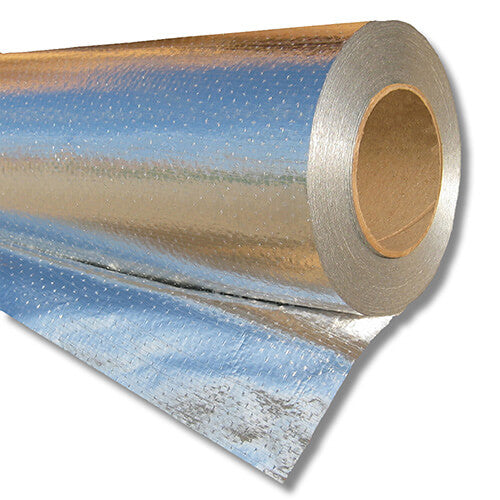
Our radiant barrier and reflective insulation products are designed to control radiant heat in a wide variety of applications. In addition to our existing product line, we offer custom products to satisfy unique product requirements for customers.
Our radiant barrier and reflective insulation products are designed to control radiant heat in a wide variety of applications. In addition to our existing product line, we offer custom products to satisfy unique product requirements for customers.


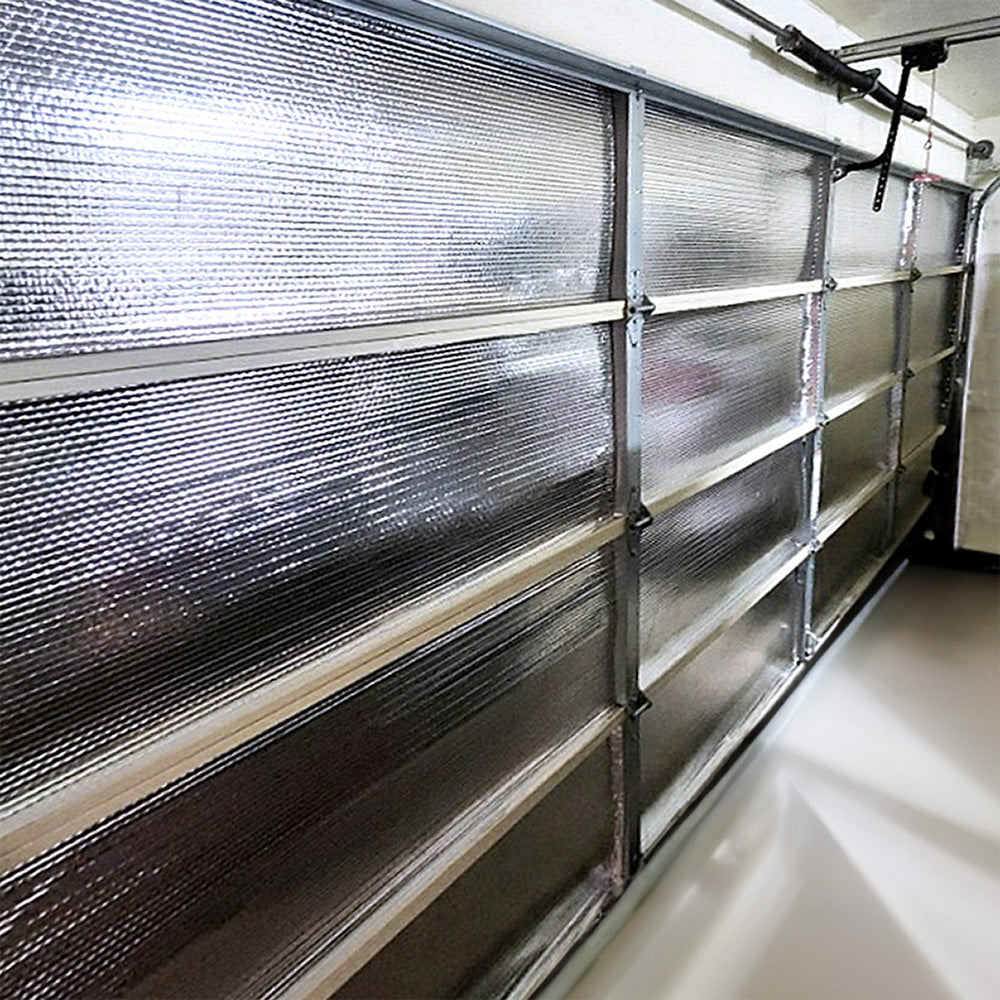
We offer custom manufacturing solutions that cater specifically to the diverse needs of our clients looking to control heat and improve thermal efficiency in residential, commercial, agricultural and other custom applications.
Understanding that every project has unique requirements, we collaborate closely with our customers to develop personalized solutions that enhance energy efficiency and sustainability. Our state-of-the-art manufacturing processes allow us to tailor insulation products in terms of thickness, material composition, and reflective properties, ensuring optimal performance for various applications—from residential buildings and commercial establishments to industrial facilities.
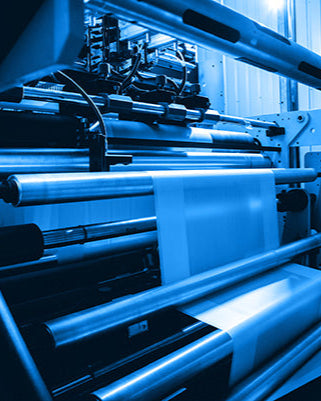
We utilize advanced technology and materials in our manufacturing processes, which enables us to produce reflective insulation products that are lightweight, durable, and easy to install. Clients can choose from a range of options, such as multi-layered systems and specialized coatings, which enhance thermal performance and moisture resistance. By offering these customizable features, we ensure that our products meet the highest standards of quality and effectiveness, accelerating the path to energy efficiency while also supporting custom project timelines and budgets.
We offer custom manufacturing solutions that cater specifically to the diverse needs of our clients looking to control heat and improve thermal efficiency in residential, commercial, agricultural and other custom applications.
Understanding that every project has unique requirements, we collaborate closely with our customers to develop personalized solutions that enhance energy efficiency and sustainability. Our state-of-the-art manufacturing processes allow us to tailor insulation products in terms of thickness, material composition, and reflective properties, ensuring optimal performance for various applications—from residential buildings and commercial establishments to industrial facilities.
We utilize advanced technology and materials in our manufacturing processes, which enables us to produce reflective insulation products that are lightweight, durable, and easy to install. Clients can choose from a range of options, such as multi-layered systems and specialized coatings, which enhance thermal performance and moisture resistance. By offering these customizable features, we ensure that our products meet the highest standards of quality and effectiveness, accelerating the path to energy efficiency while also supporting custom project timelines and budgets.